
Which Smart Packaging and Digital Printing Trends Matter Most?

In short: With the rapid advancement of technology, smart packaging and digital printing technologies are profoundly changing the traditional packaging industry.
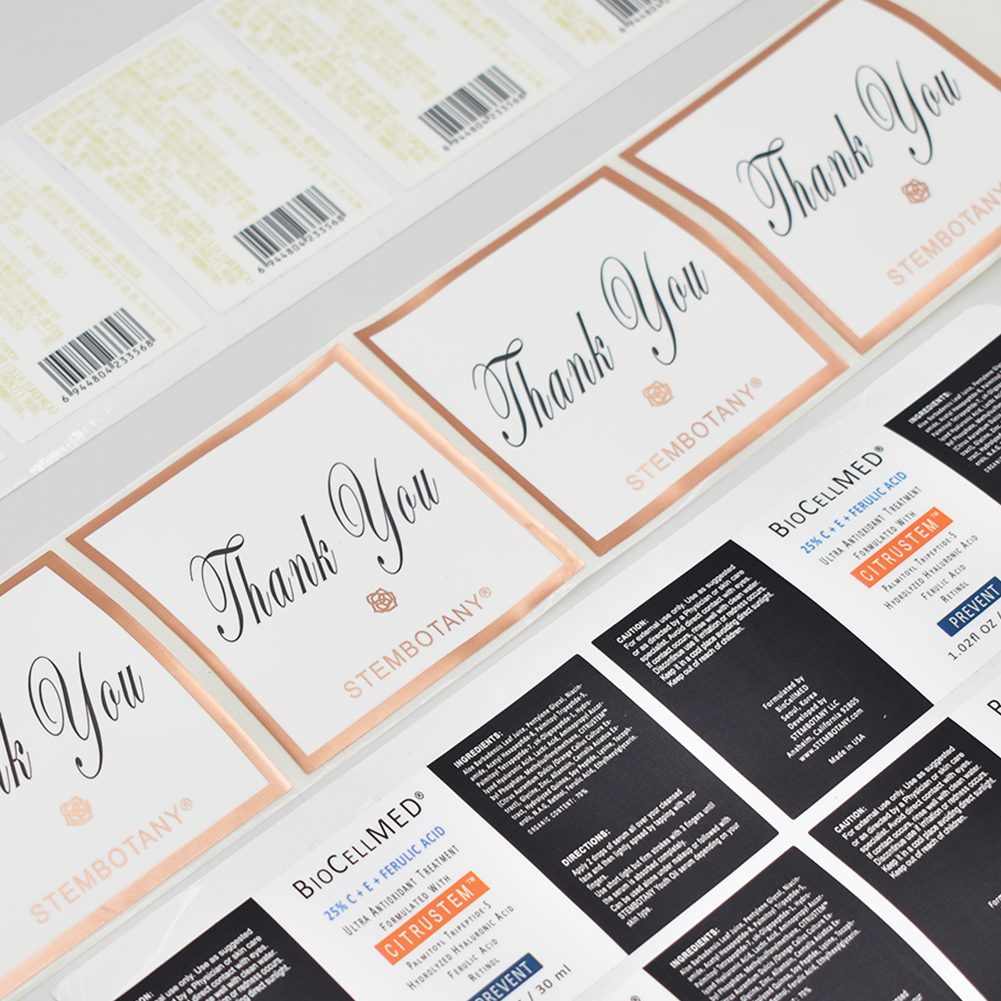
With the rapid advancement of technology, smart packaging and digital printing technologies are profoundly changing the traditional packaging industry. RFID anti-counterfeit tracing, QR code tracking, and IoT applications are significantly improving packaging security and traceability. Meanwhile, digital printing’s flexibility and efficiency enable personalized packaging production while meeting the demand for short-run printing. The integration of AI technology further optimizes production scheduling and quality control, pushing the industry towards greater intelligence.
Smart Packaging Technologies: RFID Anti-Counterfeit Tracing, QR Code Tracking, and IoT
RFID (Radio Frequency Identification) technology has been widely adopted in smart packaging. By attaching RFID tags to products, each item can be uniquely identified, enabling real-time tracking and anti-counterfeit tracing. Both consumers and businesses can scan RFID tags to verify product authenticity and track its movement, ensuring product security.
QR code tracking is another key smart packaging technology. Consumers can easily scan a product’s QR code to access detailed information such as production batch, shipping status, and usage instructions, improving the user experience and enhancing brand transparency. Combined with IoT technology, smart packaging allows real-time tracking of product shipment and inventory, providing a smooth and controlled process.
Digital Printing: Short-Run and Personalized Customization
Digital printing is revolutionizing packaging production. Unlike traditional printing, which requires setting up printing plates, digital printing allows for flexible and on-demand printing, reducing inventory buildup and resource waste. This makes it a practical choice for short-run production and personalized customization. Whether it’s packaging design, branding, or color schemes, digital printing offers tailored packaging solutions to meet diverse consumer needs.
Additionally, digital printing machines are highly efficient and flexible, enabling fast response to changes in market demands. As technology continues to evolve, digital printing will drive more efficient and practical packaging production, further enhancing the industry.
AI Applications: Color Management, Production Scheduling, and Quality Control
AI (Artificial Intelligence) is revolutionizing packaging processes. AI applications in color management ensure consistent and accurate color reproduction during printing, eliminating human errors. Real-time color monitoring allows packaging companies to maintain color consistency across production runs.
AI also optimizes production scheduling. By analyzing large datasets, AI accurately predicts production needs and optimizes scheduling, reducing bottlenecks and improving efficiency. In quality control, AI automates visual inspection, detecting defects in packaging products and minimizing human error, ensuring that products meet high-quality standards.
Conclusion
The combination of smart packaging and digital printing is enhancing packaging security, traceability, and efficiency while driving industry transformation. The continued development of RFID, QR code tracking, IoT, and AI technologies will accelerate the smart packaging and digital printing revolution, making packaging production more flexible, efficient, and sustainable. As these technologies evolve, the packaging industry will enter a new era of improvement and efficiency.
Where to go next
If you are working through a specific project, these pages cover the details that usually come up at this stage:
- If you need documentation to hand to your customers, ask for our how we verify FSC chain of custody
- Our full range is on the our printing capabilities
- We can supply the technical file you need, including EU GPSR compliance


